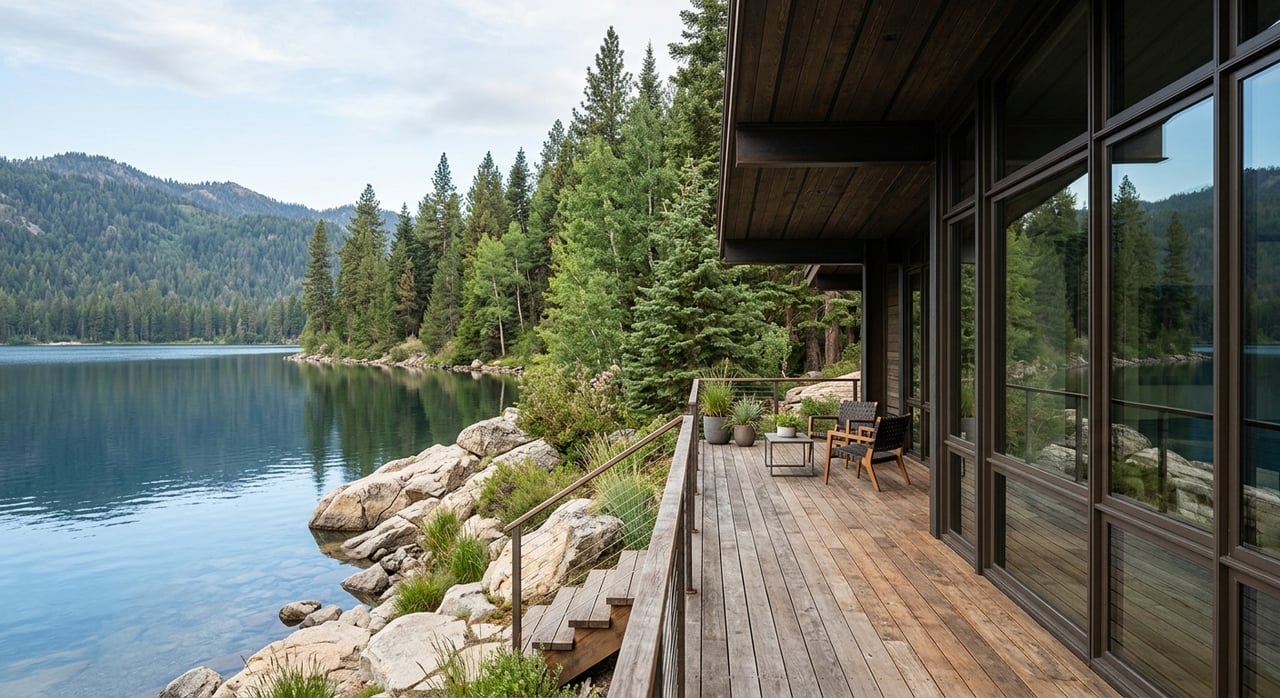
Dreaming about a Lake Tahoe getaway with more privacy, more open space, and a stronger sense of retreat? Glenbrook, Nevada, offers exactly that, but buying a second home here comes with details you do not want to overlook. If you are considering this historic east shore community, understanding how access, approvals, and ownership logistics work can help you buy with confidence. Let’s dive in.
Why Glenbrook feels different
Glenbrook is not a typical Tahoe neighborhood. According to the Glenbrook HOA, only about 150 of its 750 acres have been developed, with nearly 600 acres still undisturbed. That low-density setting is a big part of the appeal if you want a second home that feels tucked away rather than crowded.
The community is also shaped by its history and private, managed character. Glenbrook Club materials describe roots going back to an 1860 lumber town and the early 1900s resort era, which gives the area a more layered identity than a newer planned subdivision. For you as a buyer, that means lifestyle and governance are closely connected here.
What second-home buyers should expect
If you are buying in Glenbrook, you are not just choosing a house. You are choosing a community with oversight, shared standards, and location-specific rules that can affect how you use and improve the property. That is especially important for out-of-area buyers who may be comparing Glenbrook to other Lake Tahoe options.
In practical terms, Glenbrook often appeals to buyers looking for privacy, open space, and a quieter ownership experience. It can be an excellent fit if you value a refined lake environment and are comfortable with a more structured ownership framework.
Property types in Glenbrook
Expect a mix of home styles
Glenbrook is best understood as a layered luxury market rather than a uniform one. TRPA describes the Glenbrook Bay area as a mix of older low-density residential development and a planned unit development that includes condominiums, single-family homes, and restored resort structures.
That variety matters when you start your search. You may find legacy-style homes, attached residences, or properties with resort-era character, and each can come with a different maintenance profile, use pattern, and renovation path.
Older homes may need extra review
If you are drawn to the charm of an older Tahoe home, be sure to think beyond cosmetics. Exterior updates and larger improvements may require review at more than one level, especially in a community like Glenbrook where design standards are part of ownership.
The Glenbrook HOA states that owners must apply to the Design Review Committee for new construction and many exterior improvements or major repairs. That includes work such as painting, roofing, driveway pavers, window replacement or changes, landscaping enhancements, major exterior remodels, and new construction.
Renovation rules to know early
HOA design review matters
For many second-home buyers, remodeling is part of the long-term plan. In Glenbrook, that plan should start with the approval process, not after closing. Reviewing the HOA design rules before you make an offer can help you avoid buying a home that does not align with your vision.
This is especially important if you hope to refresh curb appeal, change exterior materials, or modernize an older property over time. Even projects that seem straightforward in another market may need formal review here.
TRPA scenic review can also apply
Some visible exterior work may also trigger TRPA scenic review. The research shows Glenbrook includes scenic roadway unit 29 and scenic shoreline unit 26, and TRPA scenic standards require man-made improvements in those areas to blend with the natural environment.
That does not mean updates are impossible. It means your renovation timeline, design choices, and permitting path may be more involved than expected. If your second home plans include visible exterior changes, this should be part of your due diligence from day one.
Lake access is valuable but specific
Do not assume shoreline rights
Lake access is one of Glenbrook’s biggest draws, but it is also one of the most important areas to verify carefully. TRPA’s Glenbrook plan-area statement says the beaches are private and public access to beaches and historical structures is limited.
For buyers, the key point is that lake enjoyment in Glenbrook is highly property- and subarea-specific. You should confirm exactly what comes with a parcel rather than assuming all homes offer the same shoreline benefits.
Pier and buoy rights are limited
TRPA states that in Special Area #1, the existing community pier is the only permissible pier. At the broader basin level, TRPA’s Shoreline Plan caps new shorezone structures and uses allocation systems for additional piers and moorings.
TRPA also says pier lotteries and prioritization are held every two years, while mooring lotteries are held annually. Existing moorings must be registered and renewed through the agency’s permitting system. If boating access is high on your wish list, it is wise to investigate any pier or buoy history tied to the property before you move forward.
Boating comes with rules
Owning near the lake does not mean using it without restrictions. TRPA enforces a 600-foot no-wake zone around the shoreline, and motorized watercraft must be inspected before launch. In 2025, TRPA also began requiring decontaminations for all visiting motorized watercraft entering Lake Tahoe.
For second-home buyers, the takeaway is simple. Glenbrook offers excellent access to a world-class lake environment, but it does not operate like an unrestricted private lake. If you own a boat or plan to bring one in seasonally, those rules should be part of your ownership planning.
Club access should be verified
One of the more important details in Glenbrook is club and golf access. Current Glenbrook Club materials describe a private, member-based model with resident and limited non-resident memberships. At the same time, the older TRPA plan-area statement describes the golf course as open to the public.
Because those sources describe access differently, buyers should verify current club privileges directly rather than assuming they transfer with a property. If club membership is central to your second-home lifestyle goals, this is a must-confirm item before writing an offer.
Ownership logistics beyond the home
Community operations are part of the experience
Glenbrook ownership includes practical, community-specific systems that may differ from a standard neighborhood. The HOA notes that members pass through a gatehouse, must maintain trash service, and should follow bear-safe practices.
The HOA also references emergency and evacuation information, along with the Glenbrook Water Cooperative. That tells you utilities and day-to-day operations may not feel as simple as they would in a fully municipal setting, so it is smart to understand those systems early.
Carrying costs need a closer look
Douglas County says property is reappraised annually, and the county treasurer handles billing, collection, and special assessments for real property. For a second home, annual carrying costs matter just as much as the purchase price.
Before closing, review the parcel’s tax district and any special assessments. In a community with multiple ownership layers, these costs can affect your long-term budget more than you might expect.
Wildfire planning is part of ownership
In the Tahoe Basin, wildfire readiness is not optional background information. Tahoe Douglas Fire Protection District explains that defensible space helps reduce the likelihood of structures igniting from wildfire. TRPA also notes that wildfire, landslides, avalanches, and floods all pose risks to Tahoe residents and visitors.
If you are buying a Glenbrook second home, vegetation management and evacuation planning should be part of your due diligence. This matters whether you plan to use the home seasonally, rent it to family, or keep it as a long-term retreat.
A smart Glenbrook due diligence checklist
Before you make an offer, it helps to slow down and verify the details that shape value and usability. In Glenbrook, small assumptions can create big surprises later.
Here are a few items to confirm early:
- Whether the parcel includes private beach use, any pier or buoy history, or only community or club access
- Whether golf or club access is included with the property or requires separate membership
- What HOA design-review rules apply to your future plans
- Whether TRPA scenic or shoreline standards could affect renovations or exterior changes
- The parcel’s tax district and any special assessments that affect carrying costs
- Defensible-space expectations and evacuation considerations tied to the property
Why local guidance matters here
Glenbrook can be an exceptional place to own a second home, but it rewards careful, informed buying. Between HOA requirements, TRPA oversight, shoreline restrictions, boating rules, wildfire planning, and county-level tax administration, this is a market where details matter.
That is why local representation can make such a difference. When you have a guide who understands Tahoe’s layered property landscape and can help organize due diligence clearly, you are in a much better position to buy the right home for the way you want to live.
If you are considering a second home in Glenbrook, working with a detail-oriented local advisor can help you move forward with clarity and confidence. Reach out to Soni Jackson for personalized guidance on navigating the Glenbrook market.
FAQs
What makes Glenbrook different from other Lake Tahoe communities?
- Glenbrook is a low-density, highly managed lakeshore community with a large amount of undisturbed land, private beaches, and community-specific oversight that can shape ownership and renovation decisions.
What should Glenbrook second-home buyers verify about lake access?
- You should confirm whether a property includes private beach use, any pier or buoy history, or only community or club access, because shoreline rights in Glenbrook are limited and highly specific.
What renovation approvals might a Glenbrook property need?
- Exterior improvements, major repairs, and new construction may require Glenbrook HOA Design Review Committee approval, and some visible projects may also require TRPA scenic review.
What should buyers know about boating in Glenbrook and Lake Tahoe?
- Boating is regulated by TRPA, including a 600-foot no-wake zone, watercraft inspection requirements, and decontamination rules for visiting motorized watercraft entering Lake Tahoe.
What financial details should Glenbrook second-home buyers review before closing?
- You should review the parcel’s Douglas County tax district, any special assessments, and the property’s ongoing carrying costs as part of your purchase analysis.
Why is wildfire planning important for a Glenbrook second home?
- Wildfire readiness is a key part of Tahoe Basin ownership, and buyers should understand defensible-space expectations and evacuation planning before purchasing a home in Glenbrook.