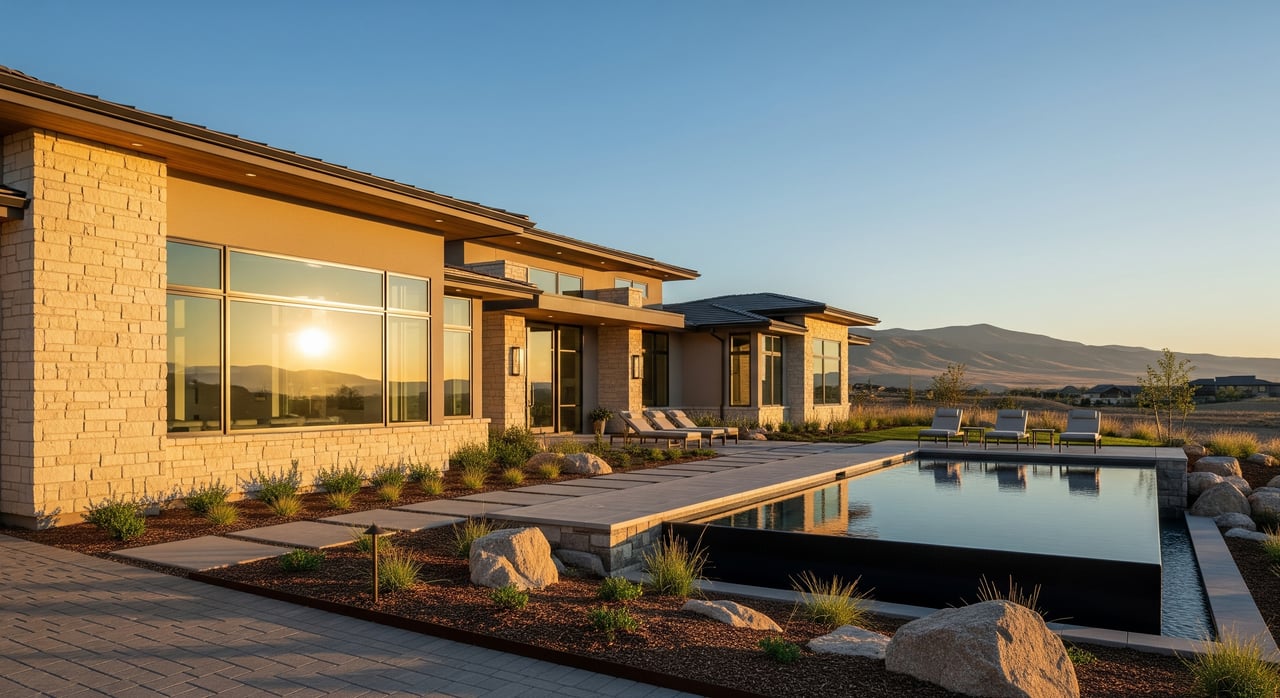
Thinking about building a new home in the Villages at Damonte Ranch, but not sure where to start? You are not alone. New construction can be exciting and rewarding, yet the process is very different from a resale purchase. In this guide, you will learn how builder contracts work, how to budget for upgrades, what inspections to schedule, how timelines and weather affect construction in South Reno, and why having your own buyer’s agent matters. Let’s dive in.
Why choose new construction here
The Villages at Damonte Ranch is a master-planned community in South Reno with homeowner associations and recorded CC&Rs. That structure helps keep a consistent look and feel. It also means you should review HOA rules, fees, and any special assessment history before you sign or close.
New homes typically offer modern building systems, code-level energy efficiency, and a warranty that reduces early maintenance risk. You can select layouts and finishes within the builder’s option set. The tradeoffs are real: lot premiums and upgrades can raise your total price, build times can shift, and there may be ongoing construction nearby.
How builder contracts work
From reservation to purchase agreement
Many builders start with a lot reservation or hold agreement, followed by a formal purchase agreement. Expect a deposit schedule that includes earnest money and additional option deposits once you start picking upgrades. The purchase agreement is usually the builder’s own form and outlines price, lot premium, inclusions versus upgrades, option deadlines, timelines, default remedies, dispute resolution, and warranty terms.
Clauses to watch closely
- Price and incentives: Builders often break out base price, lot premiums, and plan premiums. Incentives like rate buydowns or closing-cost credits are common and time-limited.
- Contingencies: Home-sale contingencies are rare. Financing contingencies are often narrow or time-bound.
- Delays and delivery: Contracts usually allow extensions for permitting, weather, supply chain, and labor shortages. Liquidated damages for late delivery are unusual.
- Change orders: Changes after you sign usually require a formal change order, extra deposits, cost-plus pricing, and can delay your schedule.
- Warranty and dispute resolution: Understand the warranty scope, claim steps, and whether arbitration is required.
How this differs from buying resale
Resale purchases usually use standard local forms and allow broader contingencies for inspection, appraisal, and sometimes a home sale. Builder contracts are more restrictive, with limited buyer-side protections and fewer repair negotiations. You can and should still obtain independent inspections, but the builder will typically resolve items through a correction list and warranty process rather than direct credits.
Pricing, incentives, and financing
Base price, premiums, and real cost
Your all-in price includes the base home, any lot or plan premium, and your chosen options. Some builders include a small allowance, but most upgrades are itemized and added through addenda. Get a written list that clarifies what is included in the base price and the cost of each selected upgrade.
Preferred lender incentives
Builders often offer financial incentives if you use their preferred lender, such as interest rate buydowns or closing cost credits. Weigh the value against the total loan costs and program flexibility. Consider independent quotes so you can compare.
Appraisal timing and upgrades
If you add many upgrades after the initial appraisal, your lender may need a reappraisal or updated valuation. Coordinate timing with your lender and builder so the appraiser sees the accurate scope of work.
Design center and upgrade strategy
Selection timing and milestones
After you sign the purchase agreement, you will be given deadlines for structural options and finish selections. These deadlines are tied to construction milestones such as foundation, framing, and drywall. If you miss a window, the builder may apply default selections or lock out certain changes.
Budgeting smartly
- Start with a written allowance or upgrade summary for major categories like cabinets, counters, appliances, lighting, flooring, and plumbing fixtures.
- Prioritize structural and electrical choices early since they are harder and more expensive to change later.
- Add design-center appointments to your calendar as soon as you sign.
Change orders and their impact
Once selections are locked, changes require a formal change order, usually with cost-plus pricing and a schedule impact. Late changes ripple through subcontractor schedules and materials procurement. Think of the design center as your best chance to control both cost and timing.
Energy efficiency and code inclusions
New homes must meet current building codes. Typical inclusions can improve energy efficiency compared to many resales. Review the builder’s specifications for insulation, windows, and HVAC efficiency.
Permits, inspections, and warranty
Municipal inspections and certificate of occupancy
New homes in this area require building permits, staged municipal inspections, and a final certificate of occupancy before you can legally move in. Depending on the parcel, the responsible authority will be either Washoe County or the City of Reno. Builders usually handle permits and inspections, but you should confirm permit status and the timing for the certificate of occupancy before closing.
Independent inspections you should order
Municipal inspections ensure code compliance, but they are not a full-quality review. Hire an independent inspector for:
- Pre-drywall or framing inspection to review structure and rough mechanical, plumbing, and electrical.
- Post-mechanical or insulation check when applicable.
- Final inspection and a detailed walk-through to generate a punch list.
- Specialty tests if you want deeper insight, such as HVAC balancing, thermal imaging, radon testing, or a sewer scope.
Understanding builder warranties
Builders commonly follow an industry pattern with shorter coverage for workmanship, slightly longer for systems, and multi-year structural coverage. Always obtain the written warranty, note what is covered or excluded, and follow the claim steps and timelines. Keep a log of all warranty requests and responses after move-in.
Closing and occupancy details
Some builders close at the issuance of the certificate of occupancy, while others have different timing or temporary occupancy options. Clarify in writing what must be complete at closing, such as utilities, landscaping, and any HOA requirements.
Timelines and delays in South Reno
Typical build ranges and variations
Build timelines vary by plan, lot, and builder production schedule. A speculative home already under construction may be quicker. A build-to-order home commonly takes several months, often in the single-digit range, and can run about 4 to 12 months depending on scope and local conditions.
What can slow your build
Local winter weather can affect site work and exterior schedules. Permit backlogs, municipal inspection availability, material lead times, labor constraints, and buyer-initiated change orders can also push dates. Your contract will explain how delays are handled and what remedies are available.
Managing schedule risk, especially if you are remote
- Set expectations in writing for video walkthroughs, time-stamped photo updates, and regular progress reports from the construction manager.
- Use independent inspectors at key milestones and attend by video if needed.
- Work with a title and escrow team experienced with remote closings. Nevada permits remote notarization. Confirm current procedures with your closing provider.
- If you have a fixed move date, plan contingency housing or negotiate a firm occupancy provision. Document any concessions.
HOA and community documents to review
The Villages at Damonte Ranch operates under HOA governance and recorded CC&Rs. Before you sign or close, request and review:
- HOA governing documents, rules, and architectural guidelines.
- The current budget and any available reserve study.
- Recent special assessment history and fee schedules.
HOA rules often include landscaping requirements and an approval process for exterior changes. Know the steps and any costs before you plan future projects.
Why you need your own buyer’s agent
Who represents whom
The sales agents in the builder’s model homes represent the builder. Nevada agency law requires disclosure of agency relationships. To have someone advocating solely for you, hire your own buyer’s agent and sign a buyer-broker agreement if appropriate.
Practical advantages for you
- Contract review and negotiation: An experienced agent explains builder terms, option deadlines, and leverage points for incentives or credits.
- Financing navigation: Your agent can help compare preferred-lender offers against independent lenders and flag any steering concerns.
- Inspection coordination: Your agent helps schedule independent inspectors and manage punch lists and follow-up.
- Remote management: If you are relocating, your agent can attend design-center appointments and walkthroughs on your behalf.
- Market context: Your agent provides comparable sales to help you evaluate pricing versus resale alternatives.
- HOA review help: Your agent can source HOA documents early and flag key rules and fees.
Many builders budget a commission for buyer-agent participation. Confirm compensation and disclosures with your agent at the outset.
Your step-by-step checklist
Before you sign
- Get HOA documents, CC&Rs, budget, and any available reserve study.
- Review the builder’s purchase agreement with your agent or an attorney.
- Clarify base inclusions, upgrade pricing, and option deadlines in writing.
- Ask for a milestone schedule: foundation, framing, selection lock dates, final inspection, and expected certificate of occupancy.
- Verify permit status and which building department will handle inspections.
- Obtain warranty documents and the claim process.
During construction
- Schedule independent inspections at pre-drywall and final stages. Confirm the builder’s process for third-party access in writing.
- Document communications and request regular photos or videos if you are remote.
- Track change orders and get written cost and schedule impacts before you approve.
- Coordinate appraisal timing with your lender and the builder.
Pre-closing and closing
Complete a final walkthrough and create a punch list before releasing final funds.
Confirm the certificate of occupancy and utility transfer plan.
Verify HOA transfer fees, reserve contributions, and account setup steps.
Keep copies of warranties, manuals, and builder contacts.
After move-in
- Submit punch-list and warranty items promptly. Document all requests and responses.
- Confirm any builder landscaping or exterior completion timelines and remedies for nonperformance.
Is a new build right for you
If you are moving up, consider that many builders will not accept a home-sale contingency. Selling first or using bridge strategies can reduce risk, though you should weigh carrying costs. Make sure your expected appraisal supports the price after upgrades.
If you are relocating, prioritize remote oversight. Set clear communication protocols, use inspectors at milestones, and choose a title company that supports remote signing. If your job start date is fixed, plan for contingency housing or negotiate firm occupancy terms.
Buying new construction in the Villages at Damonte Ranch can be a smart long-term move if you prepare well. With clear timelines, disciplined selections, and the right representation, you can enjoy a smooth path from reservation to keys. If you want a calm, well-managed process supported by local expertise and remote coordination when needed, reach out to Soni Jackson to get started.
FAQs
Can I use my own agent when buying new construction in Damonte Ranch
- Yes. The builder’s sales agent represents the builder, and Nevada law requires agency disclosure. Hire your own buyer’s agent to advocate for you.
Will a builder accept a home-sale contingency in South Reno
- It is uncommon. Plan to sell first, consider bridge options, or negotiate carefully with the builder about timing and occupancy.
Can I bring my own inspector for a new build in the Villages at Damonte Ranch
- Yes, and it is recommended. Schedule independent inspections at pre-drywall and final stages, plus any specialty tests you want.
How long does a new home take to build in Washoe County
- It varies by plan and start status. Many builds take several months, often 4 to 12 months, and are affected by permits, weather, labor, and materials.
What warranties come with a new home in this area
- Warranty structures vary by builder, often with shorter coverage for workmanship and longer for structural items. Get the warranty in writing and follow claim steps.
What if the builder’s schedule changes after I sign
- Builder contracts usually allow extensions for weather, permitting, and supply issues. Review delay clauses and plan contingency housing if your move date is fixed.