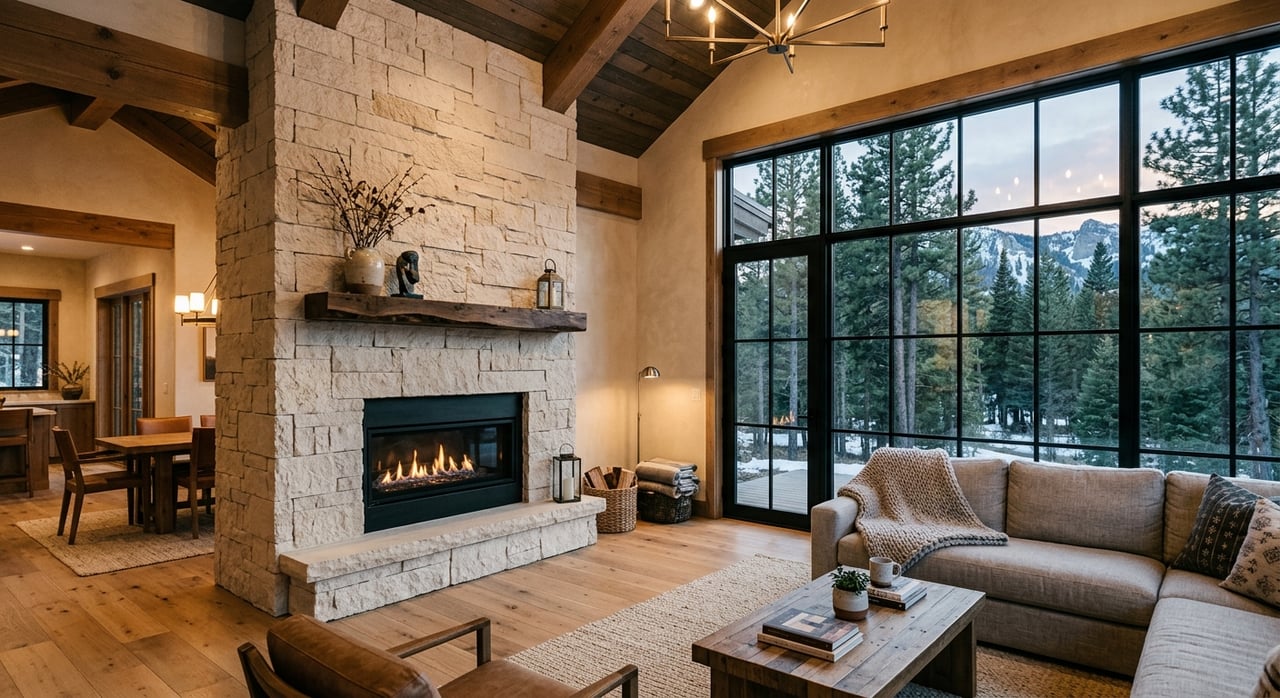
Buying a home from another city or another state can feel like a leap, especially when you are trying to judge layout, condition, timelines, and paperwork from afar. If you are considering Reno or Tahoe, the good news is that a remote purchase is very workable with the right process. Here is how remote home buying works in Northern Nevada, what steps matter most, and where local due diligence can make a big difference. Let’s dive in.
Why remote buying works in Nevada
Nevada supports many of the tools that make remote transactions possible. Under Nevada’s law on electronic records and signatures, an electronic record or signature can satisfy a legal writing or signature requirement when the parties agree to work that way.
That matters because your offer package, agency forms, and many disclosures can often move forward digitally. The key point is intent. A valid electronic signature is not just a casual click. It reflects your real intent to sign and be bound.
Nevada also allows remote online notarization. In practice, that means some notarized documents can be handled over a live audio-video session, even if you are not physically in Nevada at the time.
On the recording side, Washoe County is already highly digital. The county says eRecording is available, and nearly 90% of documents are recorded electronically. That helps keep the final step of your purchase efficient.
Start with a clear remote tour plan
When you cannot be there in person, your showing strategy matters more. A strong remote search usually starts with live video walk-throughs, recorded tours, and detailed photo review so you can better understand flow, finishes, access, and views.
This is also where a local advisor can help you go beyond the listing itself. During a virtual showing, you may want extra attention on things like natural light, street setting, nearby road noise, lot slope, storage, and outdoor spaces. Those details are often easier to miss on a screen.
If you are comparing Reno and Tahoe properties, this step becomes even more important. The two markets can offer very different home styles, settings, and due diligence needs.
Write and sign the offer remotely
Once you are ready to move forward, the offer process can usually be handled electronically. Because Nevada recognizes electronic signatures in many situations, buyers who are relocating, purchasing a second home, or serving in the military can often sign documents from wherever they are.
A smooth offer process usually depends on three things:
- One main point of contact
- A written timeline with key dates
- A shared document system for forms, disclosures, and updates
That kind of coordination helps you stay organized from offer through closing. It also reduces confusion when multiple parties are involved, including your lender, title or escrow team, inspector, and agent.
Inspections and appraisal still matter
Remote buying does not mean skipping the basics. In fact, due diligence becomes more important when you are not seeing the home in person.
According to the Consumer Financial Protection Bureau, a home inspection and an appraisal are not the same thing, and buyers generally need both. The inspection helps you understand the home’s condition, while the appraisal helps confirm value for the lender.
If your contract includes an inspection contingency, you may have options if the inspection results are not acceptable. The CFPB notes that you may be able to cancel without penalty depending on the contract, or you may negotiate repairs or credits with the seller.
The appraisal can also affect your timeline. Lenders generally require one, and the borrower must receive a copy once it is completed. If the appraisal or inspection reveals major issues, the path to closing can become more complex.
Review closing documents early
One of the easiest ways to reduce stress in a remote purchase is to review your paperwork before the last minute. The CFPB says the Closing Disclosure must be delivered at least three business days before closing.
You should also ask how that disclosure will be delivered and request the rest of the closing packet in advance when possible. That can include documents such as the promissory note, deed of trust, and deed.
If you are active-duty military, the CFPB notes that you may be able to use an installation legal office to review contracts at no cost. For any remote buyer, an early document review helps you catch questions before signing day.
Protect your funds before closing
The final stretch is when buyers are most often targeted by fraud. The CFPB warns that scammers may pose as your real estate agent, settlement agent, or legal representative and send fake wiring instructions by email.
Before sending funds, confirm wire instructions using a trusted phone number or an in-person conversation. Do not rely on email alone, especially if you receive last-minute changes.
This is one of the most important remote-buying habits you can build. A careful verification step can protect your closing funds and keep your transaction on track.
Recording and post-closing confirmation
After closing, the deed and other recordable documents are submitted to the county for recording. In Washoe County, the Recorder provides online access to recorded real estate documents and office functions, which can help you verify that recording occurred.
The county also offers a Recording Notification Service that can email alerts when documents are recorded under a monitored name or APN. Washoe County notes that this is a courtesy service and not a guarantee, but it can still be a helpful post-closing tool for remote buyers.
There is also a local cost detail worth knowing. Washoe County collects real property transfer tax at recording at a rate of $2.05 for each $500 of value or fraction thereof.
Tahoe due diligence needs extra attention
If you are buying in the Tahoe Basin, remote due diligence often needs to go beyond a typical city-home checklist. Tahoe is shaped by a broader regional framework that affects land use, housing, environmental thresholds, natural hazards, and community design.
The Tahoe Regional Planning Agency Regional Plan is an important part of that picture. TRPA also notes that Tahoe housing is influenced by second-home demand, construction costs, permitting regulations, and growth limits.
For buyers, that means property research may include more than condition and price. You may also want to review parcel history, permit records, and project details through TRPA housing and parcel resources.
Wildfire preparedness is another key consideration in the Basin. TRPA states that some tree-removal work for fire safety may require a defensible-space evaluation or permit, and it points to the Living with Fire Guide for the Lake Tahoe Basin as the main resource for vegetation management and wildfire preparedness.
A simple remote-buying checklist
If you want to keep your move organized, focus on this sequence:
- Tour homes by live video and review detailed photos
- Sign offers and disclosures electronically when appropriate
- Schedule the inspection as soon as possible
- Track appraisal and financing deadlines
- Request the closing packet early
- Review the Closing Disclosure within the 3-day window
- Verify wire instructions by phone before sending funds
- Confirm recording after closing through county tools
Remote buying is usually less about distance and more about coordination. When the process is clear, you can make confident decisions from wherever you are.
If you are planning a move to Reno or looking for a Tahoe home from out of state, working with an advisor who understands remote coordination, local due diligence, and transaction management can make the experience much smoother. If you want personalized guidance for your move, connect with Soni Jackson for thoughtful, hands-on support from search to closing.
FAQs
Can you sign home-buying documents from another state for a Reno or Tahoe purchase?
- Yes. Nevada generally recognizes electronic records and signatures, and the state also allows remote online notarization for qualifying documents and procedures.
What should you do if a Reno or Tahoe home inspection finds problems?
- If your contract includes an inspection contingency, you may be able to negotiate repairs or credits, or cancel without penalty depending on the contract terms.
How can you confirm your Washoe County deed was recorded after closing?
- You can check Washoe County recorded documents online and use the county’s Recording Notification Service for added monitoring.
Why is Tahoe remote due diligence different from Reno due diligence?
- Tahoe Basin properties may involve added review of TRPA parcel records, permits, environmental rules, wildfire-preparedness items, and other regional planning considerations.
How can you avoid wire fraud during a remote home closing?
- Verify wiring instructions through a trusted phone number or direct conversation with your closing professional, and never rely on email alone for last-minute payment changes.